


when “it’s your day” meets “our family”
If there’s one sentence couples hear over and over, it’s this: “Remember, it’s your day.” But anyone who’s actually planned a wedding knows that’s only half true. The moment you start making decisions, parents’ opinions swoop in - and they often land harder than you expect.
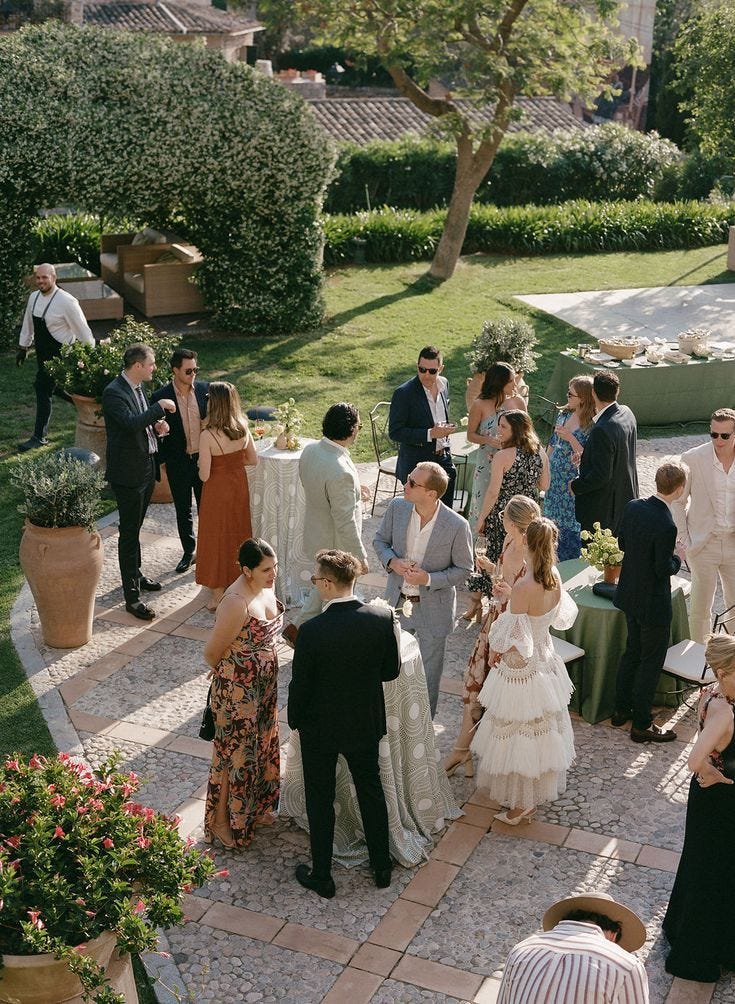
It’s not that parents want to make things difficult.
In fact, most of the time, their opinions come from love, tradition, or a genuine desire to help. But here’s the twist: when it comes to weddings, parental input feels weightier. A comment about the guest list or décor can spark bigger emotions than the same comment in everyday life.
Why? Because a wedding isn’t just an event. It’s a symbol of family, culture, and identity. That means parents often feel emotionally invested, and couples feel emotionally pulled. The result? Tension that catches a lot of people off guard.
The good news: it doesn’t have to turn into a battle. By understanding why parents’ opinions hit so deeply - and having strategies ready - you can keep peace, protect your vision, and still honour the people you love.
why parents’ opinions land so hard
emotional weight
Weddings are charged with meaning. Parents often see them as a milestone not just for you, but for themselves - a marker of family legacy. So when they speak up, their words carry decades of emotion behind them.
In the same way you may have, they’ve literally dreamt of this day all of your lives too.
financial ties
If parents are contributing financially, they may feel entitled to input. Even when money isn’t involved, couples often feel like they owe deference out of gratitude or respect.
generational gaps
Parents grew up with different traditions, aesthetics, and social norms. What feels “dated” to you may feel “essential” to them. That clash often brings more heat than expected.
identity and pride
Parents often see weddings as a reflection of the family name. Guest list disputes, for example, are rarely just about numbers - they’re about who “should” be included to save face or honour community and cultural ties.
When you add it all up, no wonder a simple opinion about flowers or menus can feel so heavy.
how couples try to manage
Couples aren’t powerless in this dynamic. Many already find small ways to keep balance.
set early boundaries
Some couples start by gently clarifying: “We’d love your advice, but the final choices will be ours.” Stating this early avoids misunderstandings later.
pick your battles
Successful couples don’t fight every point. They decide what matters most to them (like ceremony structure or music) and let parents have influence in areas they care less about (like family seating or traditional rituals).
listen with curiosity
Sometimes just hearing parents out - without instantly saying no - diffuses tension. Many parents mainly want to feel their voices matter, even if the final decision goes another way.
Of course, knowing the basics is one thing. But the truth is, navigating parental input is one of the trickiest emotional parts of wedding planning. What couples rarely talk about is the toolkit they quietly build to keep peace — even when opinions feel overwhelming.
Here are the insider strategies couples and planners rely on to manage family dynamics, protect their vision, and keep the joy alive.