


It’s no secret that weddings today are incredibly more expensive than they’ve been before. We’re in the middle of a cost of living crisis, with prices increasing at a higher rate than our salaries - businesses and individuals are both feeling this hit drastically.
Alongside that, social media has made weddings more visible - everyone wants to go viral, everyone’s nosey, and everyone knows exactly which suppliers you’ve used (and those eagle-eyed amongst us may even check tag credits, look at readily available pricing brochures, and even predict how much you’re spending on your big day).
If that wasn’t intrusive enough, weddings are also more emotionally charged than ever - we’re constantly being taught to speak up in the 21st century and question the norms - which is great, until it comes to wedding planning and dealing with opinionated and/or entitled parents, family and friends.
People think about and analyse consumerism, and then they get engaged, and realise wedding consumerism is a whole new beast.
So if you’re newly engaged, or you know someone whose just entered their fiancé era, don’t send them a Pinterest board or 20x wedding planning reels, send them this Substack; because 2026 is the year of intentional wedding planning.
priority #1: protecting your time & mental energy (before protecting the aesthetic)
When Covid hit in 2020, I was working in corporate, and there was a surge of webinars and trainings on ‘protecting yourself from burnout whilst working from home’, ‘prioritising work-life balance’ and ‘business decision fatigue’. Fast forward to me spending 4+ years in the wedding industry, and I seriously think we need to normalise ‘protecting yourself from burnout whilst wedding planning’, ‘prioritising wedding-life balance’ and ‘wedding decision fatigue’.
The average couple spends 528 hours wedding planning and anywhere between 1% to 20% of their net worth in monetary terms on the day, but the most underestimated cost of weddings is definitely the lack of mental peace.
Truthfully, there are just too many choices, too many options, and you always think you’re doing too little. Let’s change that.
What this looks like in practice:
Create a single “source of truth”:
Decision fatigue isn’t caused by volume, it’s cause by fragmentation. Wedding planning which is spread across WhatsApp, email, notes apps, Instagram saves, and family group chats is a guaranteed burnout recipe.
For your 9-5, you usually keep things on email and maybe it spills over into a work-phone. That’s organised chaos. Whilst it’s not realistic that everything sits on email, it’s definitely good to have structure and discipline on the no-go platforms - some couples will say ‘no WhatsApp’ to their suppliers to protect their own sanity.
Try to have one primary planning hub. Everything lives there - either a digital planner, a massive spreadsheet, or Google Drives.
Even if you have secondary hubs - make folders (!). Instagram, TikTok, Pinterest - everything allows for folders. So don’t just DM your partner a cool wedding idea, add it into an ideas folder that’s easier to track later.
If there’s one thing I would highly recommend you do not do - it’s taking screenshots of things that look cool. Your camera roll is a minefield and I can guarantee there’s a 99% chance you will never find what you’re looking for in there.
Clarity comes from fewer places to look.
Define decision ownership early
Heard of action owners? We love that.
So many couples misinterpret disagreements with unclear authority aka everyone in your life thinks they’re the primary decision maker (you need to tell them that they’re not).
Emotional labour increases tenfold when boundaries aren’t set upfront.
Explicitly define everything (& read this hot take on how wedding planning is not a group project):
Who decides
Who gives input
Who is informed
Remind yourself that boundaries ≠ disrespectful, especially if they’re preventative
Batch decisions instead of drip-feeding them
Isn’t it a pet peeve if your colleague puts in 6x 10 min catchups with you over the course of 2 days to get your opinion and confirmation on things, as opposed to a streamlined 1 hour meeting with agenda points that you need to cover?
Disclaimer: Despite the above, I’d strongly caution against treating your partner, family or friends like colleagues. Use the frameworks - not the titles. Aka asking for daily sprints / micromanaging is a recipe for disaster.
Wedding planning will inevitably become more exhausting when you’re literally always thinking about it.
Group your decisions my categories and priorities. You don’t need to decide whether you’re having a photobooth on day 1, or even month 1, of wedding planning.
Once a decision is made, don’t dwell on it.
The goal isn’t perfection
Things will go wrong. Either whilst wedding planning, in the lead up, or on the day itself.
Don’t delay decisions or be scared of making the “wrong choice” - the truth is that no one else will notice 90% of the elements of your wedding as much as you do.
Indecision is still a decision - just an expensive one.
Take annual leave from wedding planning
It should only take over your life if it’s in the best and most energising way possible. Truthfully, wedding planning shouldn’t take up every conversation and every weekend.
Enjoy being engaged. It’s an era you’ll never get back.
Constant planning will lead to resentment, not readiness.
Have no-wedding-talk dates / days.
Your engagement and your wedding is a phase in your life - not your entire life.
Golden rule: not every opinion requires a response, and not every conversation requires a consensus
priority #2: spend money where it changes the experience, not just how it looks
When it comes to your wedding day, as cliché as it sounds, people are genuinely more likely to remember how your wedding events made them feel - not how it looked. In no way is this intended to minimise the ‘aesthetic’ suppliers; because, ultimately that does add to the vibe - but it’s a reminder that there’s a limit.
The economics mind in me always sees a wedding experience alongside the law of diminishing returns ie. after spending a certain amount, the impact on the experience begins to plateau or only have a marginal impact.
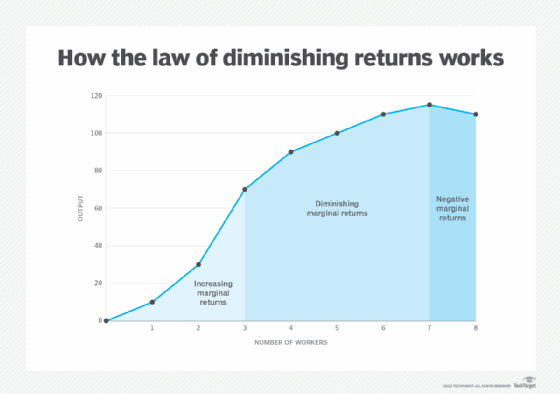
This is why, I’d always suggest prioritising spending money on some of the experience-led elements. I like to split these up into experiences for you & experiences for your guests - this ideal and framework will make it really easy to know when to stop spending.
For example, if you know that a stunning backdrop is important to your personal experience and images, then you know that you want to prioritise a good decorator / stylist. Now when it comes down to having 1,000 real peonies versus 1,200 - you can think of whether the extra 200 roses are increasing your personal experience marginal returns, or are they slowly diminishing it.
This is where I think it’s most beneficial to focus & prioritise expenditure on a few key experience-led things:
Timings & transitions - what will help the day blend together more seamlessly?
Guest comfort - food timings, seating, shade?
Professionals who remove stress - rather than adding to it!
Would you rather beautiful room that runs exquisitely or a mind-blowing room that feels chaotic?
priority #3: design the wedding for real life, not social media
There was an inflection point where social media widened our horizons and showed us endless possibilities for weddings, but we’ve now hit a point where it’s begun to narrow down what we believe weddings are “supposed” to look like.
Regardless of whether you are a content creator / influencer or not, couples are feeling pressure to make their weddings more performative, rather than personal.
This is your constant reminder to do things for you - regardless of whether you will or won’t be sharing it to an audience later.
This could look like:
Respectfully letting go of traditions that aren’t meant for you, without the sole purpose being documenting it in the hopes it’ll go viral
Building breathing room into the day
Choosing comfort and authenticity first - making couples think “this is so you!”, as opposed to it being a spectacle.
Wedding planning doesn’t need to be loud, chaotic, or all-consuming to be meaningful. The most memorable weddings are rarely the most extravagant; they’re the ones where the couple felt present, supported, and themselves.
So if you’re feeling overwhelmed, behind, or like you’re doing it “wrong”, you’re probably just doing it honestly. Protect your time. Spend with intention. Design for real life. Everything else is noise.
Save this for later, send it to someone newly engaged, and remember - 2026 weddings aren’t about doing more. They’re about choosing better.