


If choosing a wedding venue feels… impossible, you’re not alone.
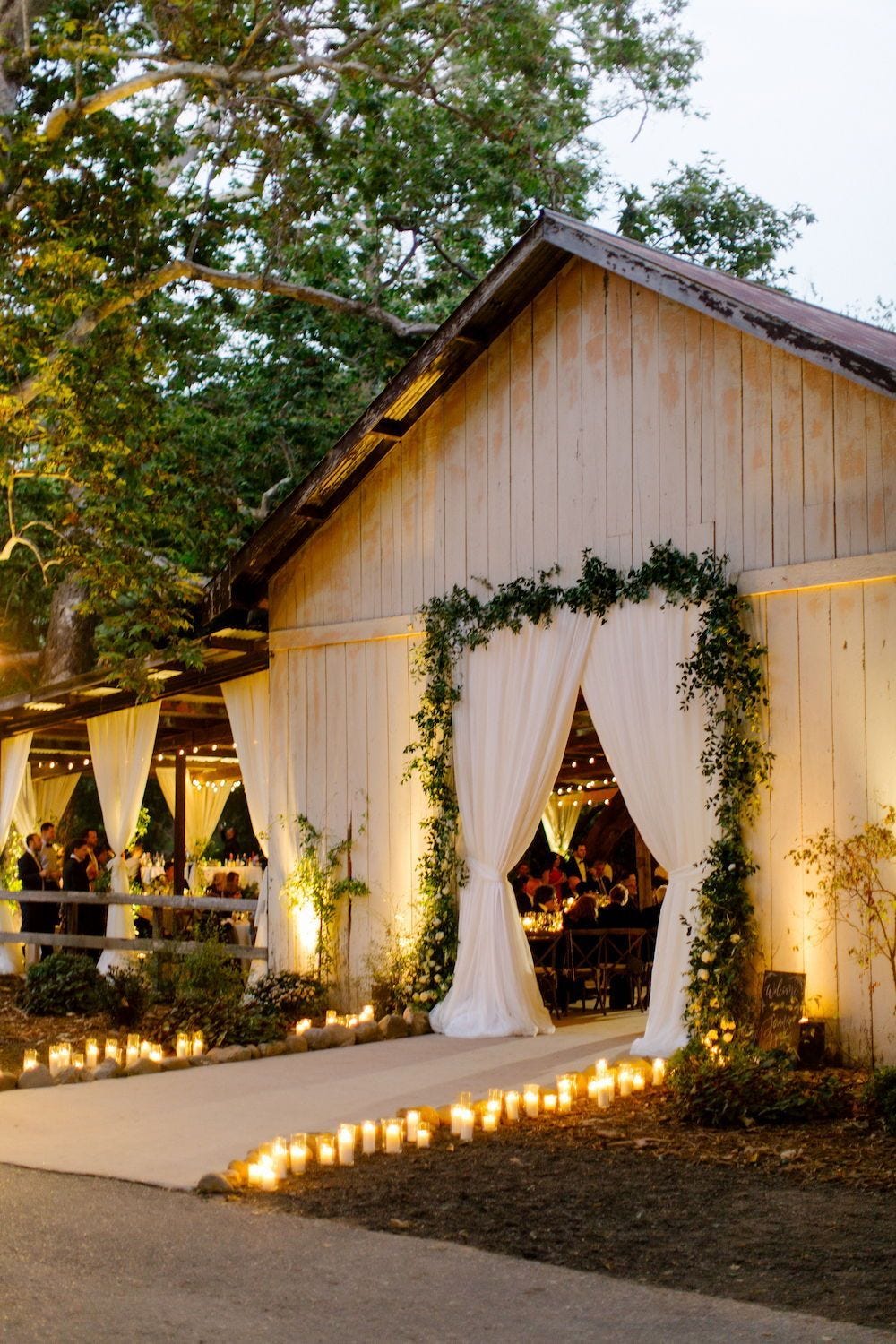
Every couple hits this point, and unfortunately it’s felt very early on - the overwhelm, the tabs, the group chats, the 57 Pinterest screenshots.
The venue is the first big decision you make, and suddenly it feels like it decides everything else - the date, the vibe, the budget, the guest list, the dress code, whether you’re a “barn couple” or a “glasshouse couple.”
But here’s the truth no one tells you:
Choosing your venue isn’t about picking the “prettiest” one or the one with the best Instagram photos.
Choosing your venue is about choosing your experience.
The experience you want for your guests. The experience you want for yourselves. The experience you want to remember when the day is over.
So let’s slow down, breathe, and walk through the real way to choose a venue - the insider way, the way planners and photographers secretly wish every couple understood.
start with the feeling, not the features
A lot of couples start with features:
“We want a barn.”
“We want a hotel.”
“We want something modern.”
But features come later.
The real question - the one that makes everything easier - is:
What feeling do you want the day to have?
Do you imagine warmth and cosiness? Big, buzzing energy? Modern, minimal calm? Old-world romance? Countryside escapism? City glam?
Your venue is the container that holds the feeling.
Choose the wrong container and the entire day feels mismatched, no matter how beautiful it is.
Try this: close your eyes and picture your wedding morning.
Where are you?
What does the light feel like?
How do the walls sound?
What’s the pace of the day?
That vision will tell you more about your venue than any checklist.
understand the four types of venues - and what they really mean
Most venues fall into four categories. Each one comes with unspoken expectations no one explains clearly.
1. dry-hire venues
You get the building, and that’s it.
You bring: caterers, décor, flowers, bar, furniture, sound systems, staff, everything.
Pros: freedom, flexibility, personality.
Cons: can be shockingly expensive once you add everything back in.
Best for: detail-driven couples or those with strong organisational skills.
2. all-inclusive venues
The venue handles catering, staff, furniture, bar, sometimes even DJ and cake.
Pros: less stress, fewer decisions, predictable cost.
Cons: less creative freedom, set packages, sometimes generic styling.
Best for: couples who want ease, clarity, and minimal logistics.
3. hotel / estate venues
A hybrid: some structure, some choices. Guests can stay on-site (huge perk).
Pros: immersive experience, good flow, great for guests.
Cons: higher minimum spends, sometimes tied suppliers.
Best for: couples who want a multi-day feel without travelling far.
4. alternative venues (restaurants, rooftops, warehouses, galleries)
Growing in popularity - they feel authentic and unexpected.
Pros: unique energy, great for food lovers, vibey and cool.
Cons: unusual layouts, noise restrictions, tricky logistics.
Best for: couples who want “non-wedding weddings.”
the number no one tells you to check first
Before you tour a single venue, ask yourself the most unromantic question:
What’s our guest count - realistically?
Not the “maybe 200 if everyone comes.”
Not the “small wedding but actually 120.”
Not the “we’ll figure it out later.”
Your true number determines everything:
which venues can physically hold you
your catering cost
your table layout
your energy
your budget
A venue built for 200 will swallow 80 guests.
A venue maxed out at 120 will make 150 feel like a sauna.
Guest count is your North Star.
Get clear on it early, and the rest follows naturally.
tour with your senses, not your phone
Most couples walk around a venue taking photos. Planners walk around taking feelings.
When you tour, pay attention to:
the light (soft or harsh?)
the acoustics (echoey or warm?)
the flow (do people naturally move through it?)
the smell (yes, smell matters)
the noise from outside
the views
the parking
the staff’s energy
the logistical bones of the place
Photos can’t capture atmosphere.
Atmosphere is what makes a wedding unforgettable.
the red flags planners notice immediately
No one likes to talk about this, but it saves couples thousands of pounds and endless stress.
Look out for:
1. “You’ll need to flip the room.”
Translation: your guests will be awkwardly milling around while staff shuffle furniture.
It rarely runs smoothly.
2. “Our sound restrictions are 72 decibels.”
Translation: your DJ will cry.
3. “We don’t allow real candles.”
Not always a dealbreaker - but candles are emotion.
Without them, nighttime photos lose depth.
4. “You can only use our recommended suppliers.”
Sometimes great, sometimes stifling - and often more expensive.
5. “The bar closes at 10:30.”
For most guests, the dancing hasn’t even peaked yet.
6. Staff giving you rushed, corporate energy.
If they’re cold on the tour, they will not magically become relaxed and warm on your wedding day.
the quiet truth: your venue sets the pace of your emotional experience
The right venue makes you feel safe, calm, and excited - without trying.
The wrong venue makes you feel like you’re performing the entire day.
You’ll know you’ve found the right venue when:
your shoulders drop
you talk about it without effort
the space feels like a backdrop to your story, not a stage
you can imagine your morning there, not just the evening
Energy is everything.
The space shapes your nervous system far more than your décor will.
Below this line is the super high-value, insider content that wedding planners usually share only with paying clients - the kind of guidance that immediately upgrades your entire decision-making process.
the ultimate insider guide to choosing your venue
the deep-dive questions, expert frameworks, and decision tools planners use behind the scenes
Here’s where we go beyond “pretty venues” and into the intelligence that actually makes your wedding seamless.
These are the exact tools planners use to help clients choose the perfect venue - the ones that save you money, protect your timeline, and completely transform your guest experience.
the 3-part “emotional architecture” framework
Every wedding has three emotional states.
Your venue needs to support all three:
1. Anticipation
This is your ceremony and arrival moment. You need:
soft light
comfortable seating
good acoustics
an aisle that feels like an entrance
space for guests to see your faces
2. Connection
This is your dinner. You need:
warmth
intimacy
ceiling height that doesn’t make voices disappear
a layout that doesn’t split people into silos
lighting that flatters skin and photographs beautifully
3. Celebration
This is dancing. You need:
a space that doesn’t dilute energy
proximity between bar and dance floor
room for movement, not emptiness
late-night lighting options
noise allowance that lets the party breathe
If a venue nails only one of these, the day feels disjointed.
If it nails all three, the experience feels effortless.
the 10-point venue scoring method (for couples who want clarity)
This is a planner-favourite.
Score each item 1–10. You’ll quickly see your winner.
Atmosphere
Light quality
Staff warmth
Guest comfort
Ceremony backdrop
Layout flow
Dining experience
Party energy potential
Logistics + practicalities
Emotional fit
Anything below 70? You’re forcing it.
Anything above 85? You’ve got it!
the three questions planners ask silently on every tour
These are the questions that tell a planner instantly whether a venue will work:
1. “Can the staff handle a crisis?”
The food delay, the speaker that won’t switch on, the sudden rain. You’re not just choosing a venue - you’re choosing a crisis team.
2. “How long would I realistically need between ceremony and dinner?”
This reveals whether the flow makes sense or whether the day will feel like a traffic jam.
3. “Does the venue naturally support beautiful photos?”
If the light is bad, you’ll spend more on décor to compensate. If the light is good, everything feels elevated - for free.
the questions couples never think to ask (but should)
These are the ones that reveal the truth:
How long does it take for staff to reset a room?
What’s your cancellation policy if your head chef leaves?
Where do suppliers load in?
Can I see photos of the venue at night?
What time does the sun set in this exact spot in my month?
Who manages sound checks?
What’s your backup plan for rain - specifically?
Can speeches happen somewhere other than the dining room?
What happens if we run 20 minutes late?
Every answer tells you the venue’s soul.
the hidden costs almost every couple is surprised by
These catch people off guard all the time:
Corkage (can be £15–£30 per bottle)
Service charge (12.5–15%)
Mandatory security
Extra furniture hire
Heating or generator hire
Early access fees
Late licence extensions
Ceremony room hire separate from reception
Supplier meals
Peak season surcharges
When couples tell planners “our venue was £7k but the final bill was £15k,” this is why.
the “if we do nothing else…” venue checklist
If you only do five things, make it these:
See your venue at the same time of day as your ceremony/dinner.
Stand where you’ll stand for your vows. Breathe. Notice how it feels.
Ask to walk the exact path your guests will walk.
Visit the bathrooms. (They tell you everything about standards.)
Ask yourself, “Would I feel safe and calm getting ready here?”
If the answer is no, it’s not your venue.
the “design multiplier” insight (one decision saves £5,000+)
Choosing a beautiful venue saves you thousands in décor.
Choosing a “blank” venue costs you thousands you didn’t expect.
A naturally beautiful space:
needs fewer flowers
needs less lighting
needs less styling
photographs better
It’s the biggest money-saving trick in the industry.
and finally - the clarity sentence
Every couple should end the venue search with one grounded sentence:
“We chose this venue because it supports the experience we want — not because it was popular, available, or pretty.”
When you choose a venue from alignment, not pressure, everything else — the suppliers, the décor, the timeline, the feeling — falls into place with surprising ease.